
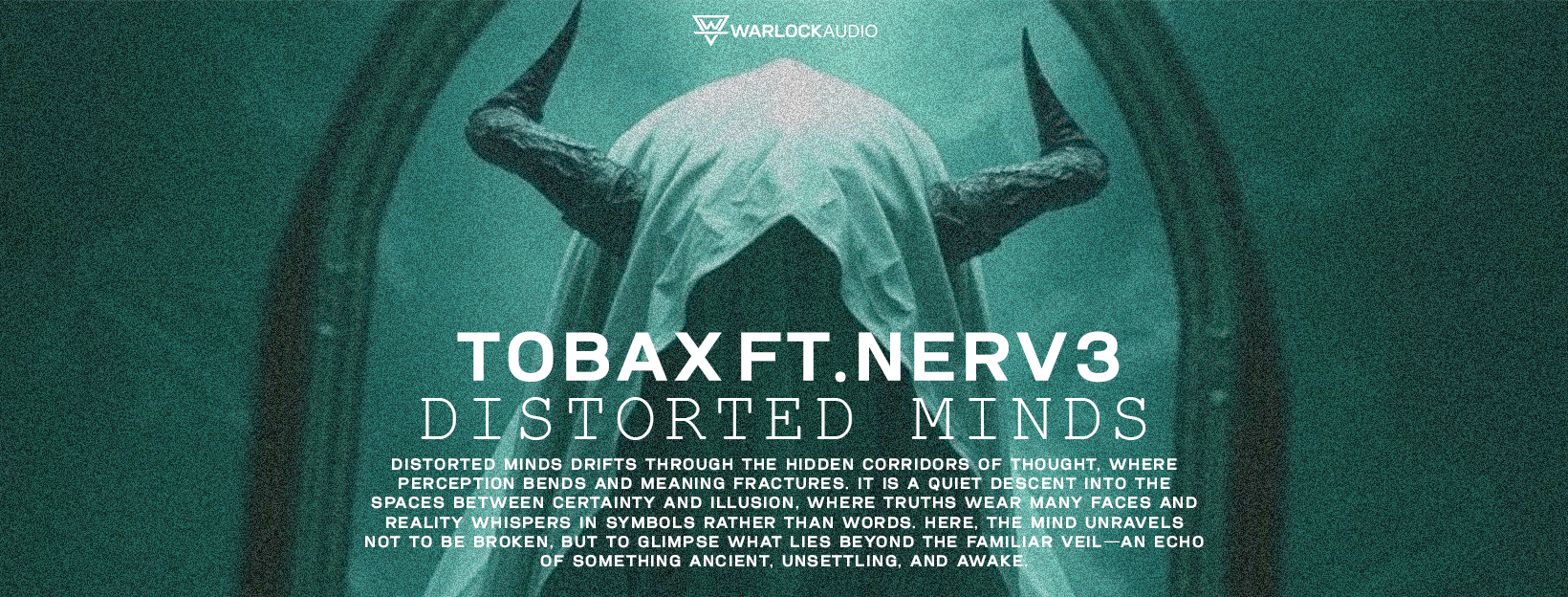
“On one level, I'm still making dance-floor Neurofunk - music for people to go crazy to at a party, cranked up loud. But for those who listen deeper, I leave messages in there. A mood…”
Soul Chemical chats with the legendary Tobax about modern neurofunk, music production, and fatherhood, for an in-depth look at the life of Alex tobax.
Artist Background
It's great to be able to host your music on the label. Where did you draw inspiration from for this release and how does the Tobax signature sound play a part in that?
The way my music sounds has always been the digested result of everything I take in from the world around me, from music, books, film, and current events that stick with me. But at the end of the day, it's still Neuro DnB. It's still ideas that come straight from my own head.
We haven't seen the same volume of releases come from you in the past couple of years. Are you taking a more targeted, methodical approach to writing music as opposed to focusing on volume?
My approach to making music hasn't really changed. I work the same way I always have — except that over the last five years, my life went through some massive upheavals. COVID, relocating from Russia to Germany, a jaw injury from an accident, and losing my mother. All of that hit the pace of my output hard. But I'm finding my way back to my old rhythm. I never stopped releasing music, I just put things out less frequently. What did shift significantly is that I stopped releasing on big labels, because I couldn't deal with the creative restrictions they impose or the endless waiting lists. These days I'm either self-releasing or working with labels that give me real creative freedom, and big thanks to Warlock for being one of them.
Grab this amazing background art on a T-shirt here
We see you’ve been sharing a lot of cooking content lately. What inspired you to start posting those videos?
Honestly, two things have fascinated me since I was a kid: music and cooking. Music I eventually figured out. But at some point I realized it was time to dive seriously into the art of cooking. I grew up glued to cooking shows on TV, and what I'm doing now is basically that same thing. I even spent a year working as a cook at the busiest, most popular restaurant in central Dresden, just to get that professional foundation. It was brutal, physically demanding work, but I sharpened my skills through it. Before that, I felt like I had no business starting a cooking channel without real professional knowledge and restaurant-level technique. So once I put in that year, I knew I had what I needed - I quit, and that same day I launched my first cooking pages.
People are excited about this release. Will we see more Tobax music coming this year?
Yes, at minimum, there'll be another release on Warlock Audio this year, plus various self-releases. Keep an eye on our pages for updates.
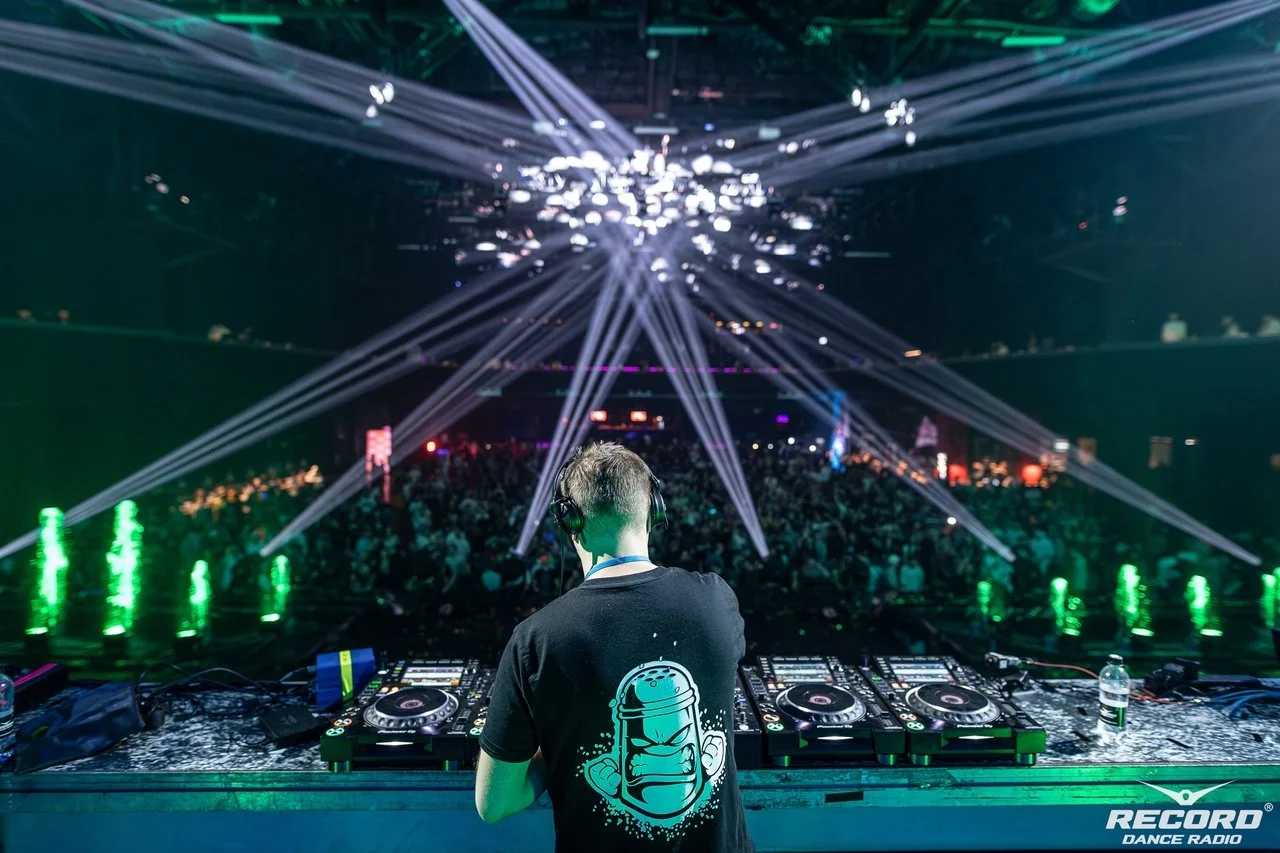
The Creative Process
What’s something you’re doing differently in the studio now compared to your earlier work?
I'm doing things the same way I always have — and truthfully, that's part of the problem. At some point I stopped keeping up with where music production was heading, and now I'm playing catch-up on a lot of ground in a short amount of time. For example, I only recently updated my FabFilter bundle, while a lot of my peers had been upgrading with every new release and growing their sound as a result. So in a way, I've got some leveling up to do.
Did any new tools, techniques, or workflows play a key role in shaping this new material?
No, not really — and the answer to the previous question explains why.
Who are the artists that you think are killing it in the Neuro scene right now?
The veterans like Audio, Prolix, and Ed Rush are genuinely remarkable, because they've stayed relevant and interesting for such a long time. Very few producers manage to hold onto their sound and their edge over that kind of run. That commands real respect. From the newer generation, I'd highlight Enta from the UK and Finalfix from Belgium. Enta brings this really interesting blend of Neuro and Jump Up. Finalfix has that old-school Neurofunk spirit wrapped in a modern sound. I think they're both seriously strong musicians with real potential to lead the scene going forward.
Life Outside Music
Absolutely, there are a lot of parallels. Both are creative work that gives me genuine pleasure in the process, and even more satisfaction when I see that what I've made moves people.
Do you see any parallels between cooking and producing music?
How has being a family man shaped your priorities and your approach to music?
It reshapes everything. The moment you become a father, you start cutting out anything in your life that doesn't serve a real purpose — anything that gets in the way of building a stable future for your kid. A good childhood. A real shot at something. A father worth looking up to. When I found out I was going to be a dad, I dropped out of university in my second year. And honestly, I have zero regrets about that.

Warlock Audio Release
Can you walk us through the concept or vision behind this release?
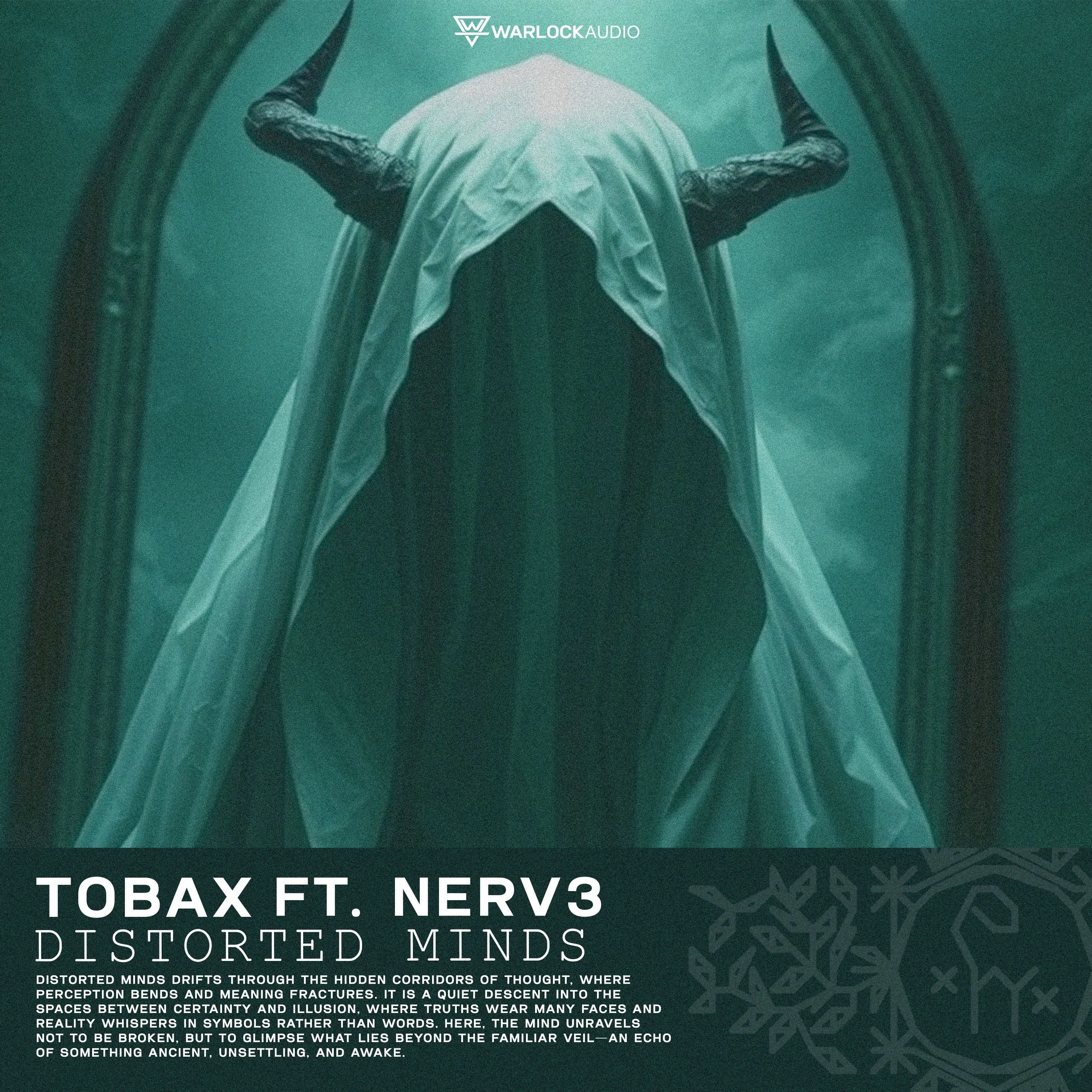
Distorted Minds is a critique of everything happening to us right now — the way we let information and world events pull our minds in the wrong direction. And this isn't just about people around me. It includes me. So in a way, it's also self-criticism.
How do these new tracks represent where you are artistically right now?
On one level, I'm still making dance-floor Neurofunk — music for people to go crazy to at a party, cranked up loud. But for those who listen deeper, I leave messages in there. A mood. A direct reflection of where I am, what I'm going through, what moment in time I'm living in. Even in something as raw and strange as Neuro DnB, you can feel that if you're willing to go there. And I'm genuinely glad that some people have picked up on what I was trying to say in these tracks. These aren't songs in the traditional sense where the meaning lives in the lyrics — it goes much deeper than that, and sometimes you really have to dig to find the true mood underneath. That's exactly why I love drum and bass. Nothing is laid out on the surface. You have to fully surrender to it.
Looking Forward
What can listeners expect from Tobax moving forward? More music, more cooking content, more live sets,or a combo of everything?
Expect both. I plan to stay active in both worlds. Though I won't rule out that at some point I may have to choose — whatever best fits where I am creatively, financially, and in terms of the actual value I'm putting out into the world.
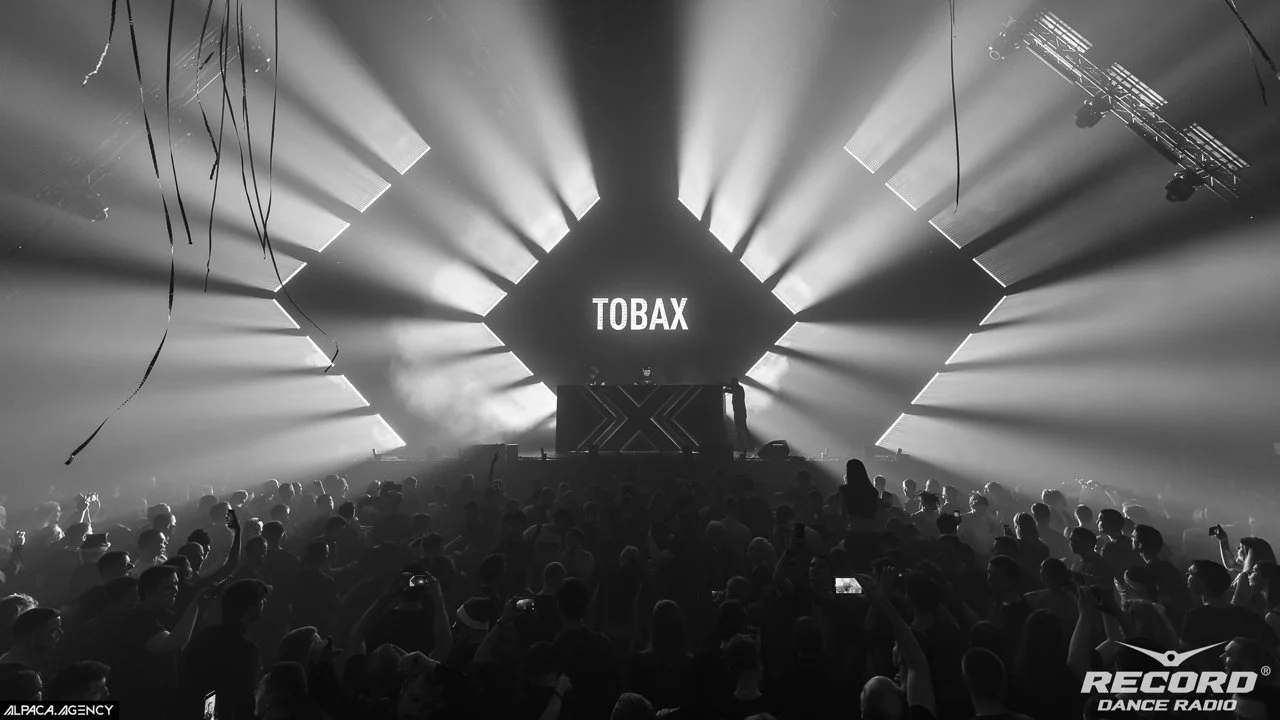
I can plan all I want, but the reality is that the number of gigs I get is directly tied to how much new music I'm putting out — and I'm working on that. There's also another factor that's hard to ignore: these days, how often you get booked depends a lot on how active you are on Instagram. And that, honestly, is my Achilles' heel. I find myself thinking more and more that my music just doesn't fit the entertainment-first logic of Instagram. It's a problem I'm actively trying to solve. That said, I consistently play five to ten shows a year across different European cities, including my home country Russia, and this year is no different. I have shows lined up in the Netherlands, Austria, Germany, and Russia. You can always track my upcoming dates on my Spotify page under Events.
We’ve seen you post some recent videos of you playing out. Are you planning to return to the stage for more frequent appearances, and if so, what can fans expect from your sets now?
Do you have any upcoming releases on other labels or gigs you want people to know about?
Nothing to announce just yet, but stay tuned.
The same Tobax — making music on his own terms, not chasing trends, always loud and made for the dance floor.
What’s the future of Tobax hold in 2026 and beyond?
We’re stoked to be able to bring you this interview, and we have many more on the way. Check back for more Meet The Artist interviews and some Tech Talks are also on the way!